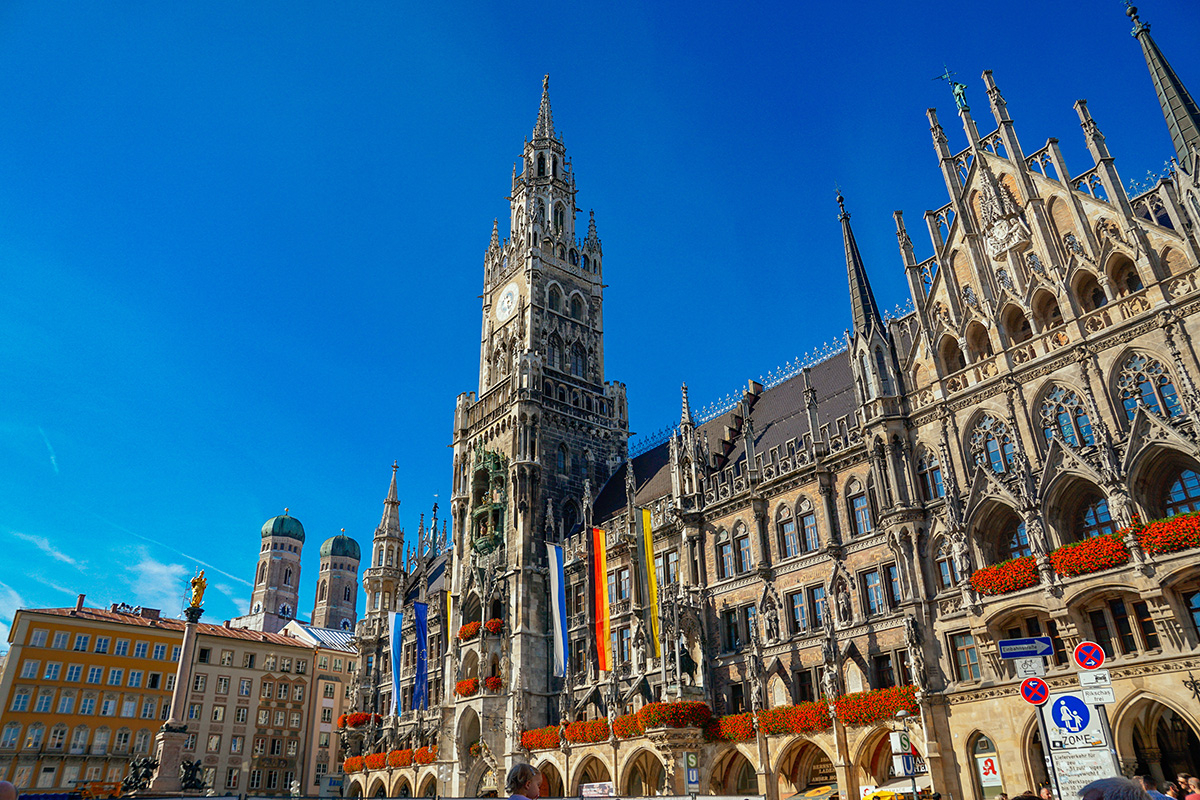
Most first-time visits to Munich follow the same pattern. You see Marienplatz, stop at a large beer hall, and move on. That version of the city is real, but it is only a small part of how Munich actually works day to day.
If you want a better experience, shift your focus from landmarks to how people use the city. Munich is structured around neighborhoods, green spaces, and everyday routines.
Once you understand that, it becomes easier to find things that feel more local and less staged.
This guide keeps things practical. It focuses on places and habits that locals actually use, and how you can fit into that rhythm without overplanning.
Start With Neighborhoods, Not Landmarks
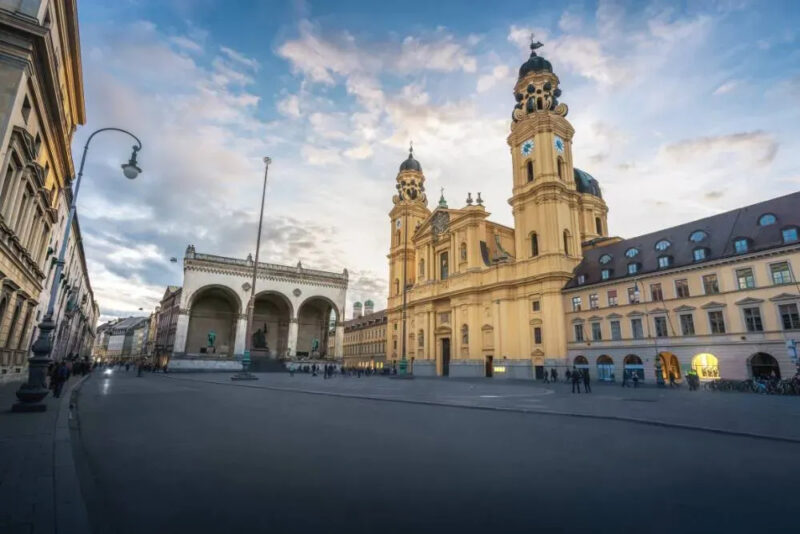
If you only stay in the historic center, you miss how Munich feels outside tourist zones. The city spreads outward in well-connected districts, each with its own pace and purpose. Public transport makes it easy to move between them in under 20 minutes.
Spend time in areas like Glockenbach or Schwabing instead of rushing between attractions. These places are built around daily life. You will notice small cafés, independent shops, and quieter streets that are still active but not crowded.
- Glockenbachviertel works well for walking, casual food, and evening bars
- Schwabing is calmer, with easy access to the Englischer Garten
- Neuhausen gives you a quieter residential feel with open space nearby
These areas are not hidden. They are just not prioritized in typical itineraries.
Some travelers look for more curated or private ways to experience a city, especially when they want flexibility or personal time.
Services like Louisa Escort are part of that broader travel landscape in Munich, where visitors sometimes choose tailored companionship instead of structured tours.
This kind of choice depends on personal preference. What matters is understanding that Munich supports both independent exploration and customized experiences.
Use The Isar River Like Locals Do
The Isar River is one of the clearest differences between tourist behavior and local behavior. Visitors often overlook it, while locals use it regularly.
You will see people biking, walking, sitting on the gravel banks, and bringing simple food or drinks. It is not an organized attraction. It is just part of daily life.
The stretch near Reichenbachbrücke is a good starting point. It is central but still relaxed. You can walk along the water, stop at a kiosk, and stay as long as you want.
Fact: The Isar corridor acts as a major green space running through the city, used for everyday recreation rather than tourism.
This is one of the easiest ways to experience Munich without planning anything complicated.
Rethink Beer Gardens
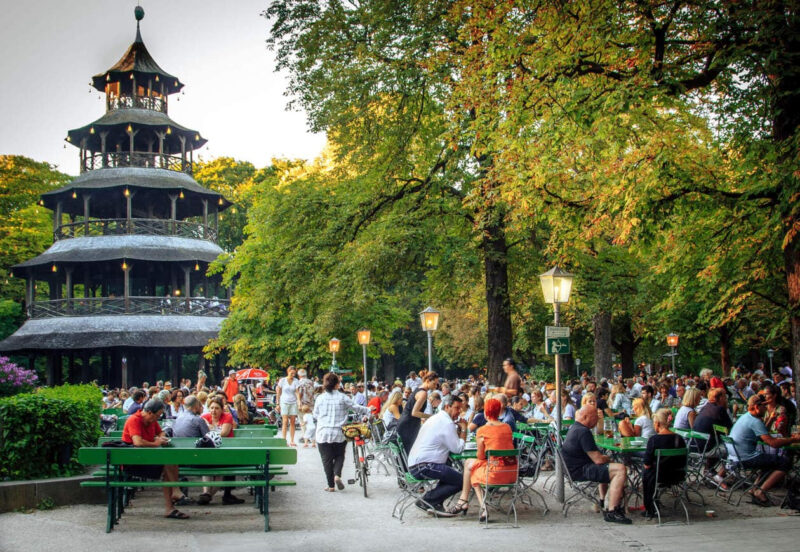
Beer gardens are often treated as a checklist item. In reality, they are part of Munich’s daily routine. They function more like open public spaces than destinations.
Smaller or less central beer gardens give you a better experience than the well-known ones. Options near the river or in outer districts tend to be quieter and more balanced.
| Type of Beer Garden | What You Get | When It Works Best |
| Central (tourist-heavy) | Faster service, less space | Midday visits |
| Neighborhood-based | More local crowd, relaxed pace | Late afternoon |
| Riverside or park-based | Open space, longer stays | Evenings |
Places like smaller riverside beer gardens or those slightly outside the center tend to feel more natural and less rushed.
Stay longer than you think you should. That is how locals use them.
Look For Small Cultural Stops
Munich has well-known museums, but smaller cultural spaces are often easier to enjoy and less crowded. These include niche theaters, quiet churches, and independent venues.
You do not need a full day. Many of these places work best as short stops between other activities.
- Small theaters and jazz bars offer consistent evening programs
- Lesser-known churches are quieter and easier to explore
- Independent cinemas show films you will not find elsewhere
Examples include smaller performance spaces and jazz venues that attract regular local audiences rather than tourists.
This approach keeps your day flexible while still adding depth.
Pay Attention To Everyday Routines
The biggest shift comes from observing how people structure their day in Munich. The city is not built around constant activity. It has a rhythm.
A typical local pattern looks like this:
- Morning coffee in a neighborhood café
- Midday activity or work
- Late afternoon in a park or beer garden
- Early evening meals rather than late-night dining
This rhythm shapes how spaces are used. For example, beer gardens fill up after work hours, and parks become social spaces in the evening.
Munich’s infrastructure supports this. The U-Bahn system connects neighborhoods efficiently, so movement across the city feels simple once you understand the layout.
If you follow this pattern, your experience will feel more natural without extra effort.
Conclusion
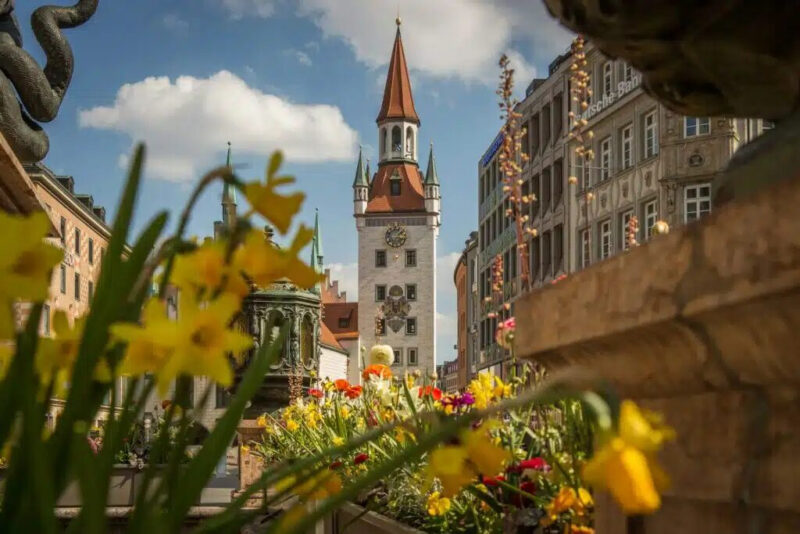
Munich is not difficult to explore beyond its main attractions. The challenge is adjusting your approach. Instead of focusing on what to see, focus on how the city is used.
Spend time in neighborhoods, use the Isar, and treat beer gardens as part of your day rather than a stop on a list. Add smaller cultural places when they fit naturally into your route.
This approach does not require more time. It requires a different pace and a bit more attention to how the city works.